

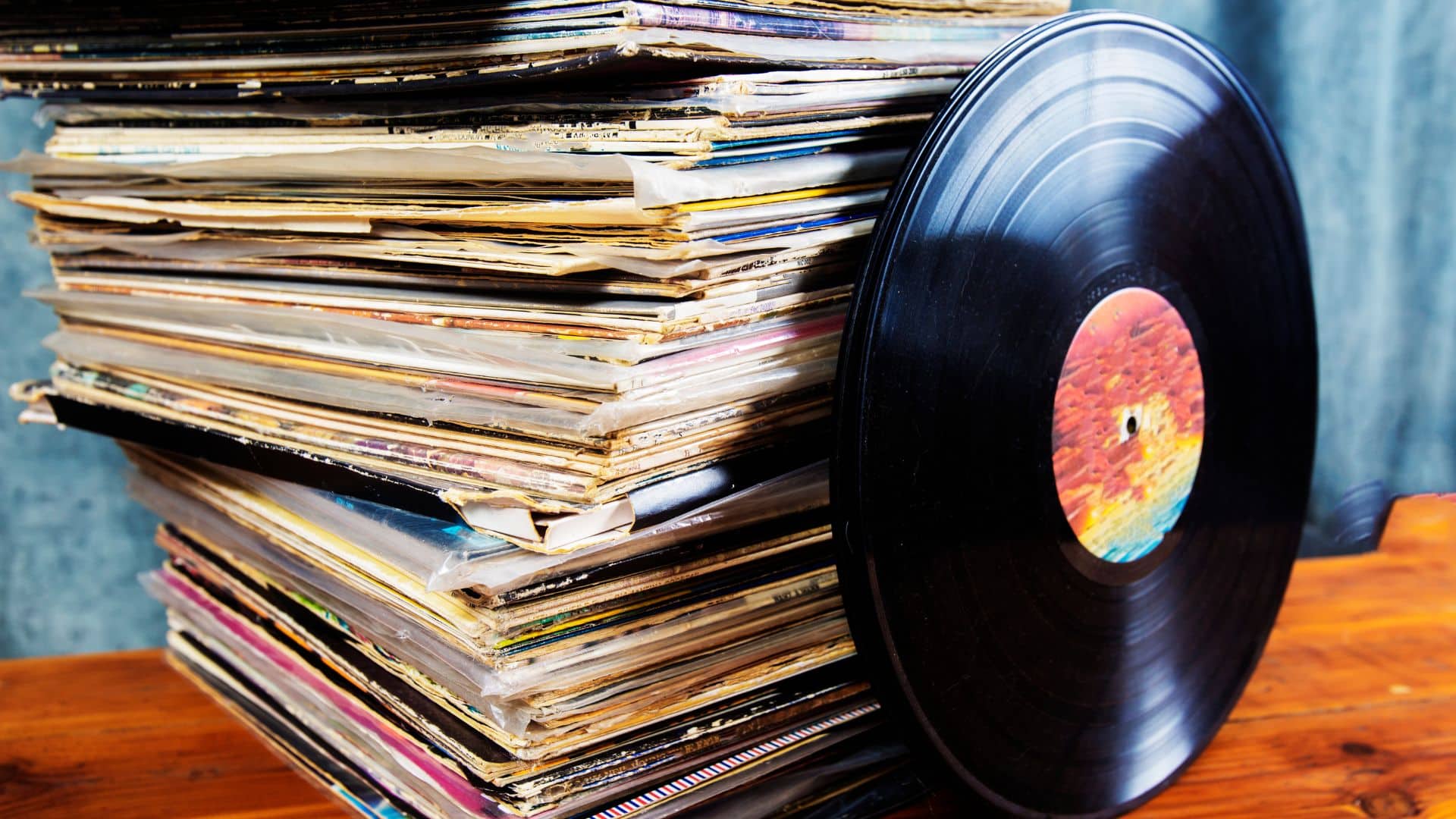
It’s one of the hardest realizations for collectors, hobbyists, and avid decorators: your adult children probably don’t want your collection.
Whether it’s mid-century glassware, vintage baseball cards, antique furniture, or mint-condition Star Wars action figures, today’s younger generations tend to prefer minimalist living, smaller spaces, and digital experiences over physical possessions.
Which is all well and good. But if you’ve spent decades carefully curating something special, leaving your kids to figure out what to do with it later usually leads to one of two outcomes: your prized items end up dumped at a thrift store for pennies, or your children feel weighed down by guilt and storage costs.
Here’s how to take charge, start liquidating on your own timeline, and turn those prized possessions into actual cash.
When Should You Start Selling?
The short answer: Sooner than you think.
Now, we aren’t trying to be ominous here! This isn’t about death; the best time to start downsizing a collection is while you still have the physical energy, mental clarity, and time to enjoy the process. An added bonus is that you may get to see others enjoying your old stuff. Wouldn’t it be nice to see a young person learning the ropes and making good use of that sewing machine, socket set, or cookware?
Key Indicators It’s Time to Start:
- You’re planning to downsize your home in the next 3-5 years. Don’t wait until moving week. Selling niche items for top dollar takes time.
- The market for your items is hot now. Collectible trends cycle constantly. If a niche market is peaking today, strike while interest is high.
- You’d rather spend cash on experiences. Liquidating a collection can fund travel, home renovations, or contributions to your family’s estate plan.
A 4-Step Plan for Liquidating Your Collections
1. Have the ‘Honest Conversation’ First. Sit down with your kids and ask them directly: “Is there anything in this collection you genuinely love and want to keep in your home?” Be clear that “no” is an acceptable answer. Let them claim a few sentimental keepsake pieces, then set the rest aside to sell.
2. Inventory and Appraise. Catalog the collection. Take clear photos, note model numbers or maker marks, and check completed sales on platforms like eBay (filter by “Sold Items” to see real market value, not just asking prices). For rare or high-value items (coins, fine art, rare books), hire an independent, certified appraiser.
3. Choose Your Sales Avenue. Match the selling method to your energy level and the value of the items:
-
-
- High Effort (+ High Profit!) – This is the big-ticket stuff! Sell item-by-item on eBay, Etsy, or specialized Facebook groups for collectors and enthusiasts.
- Medium Effort – Consign items through local antique malls, specialty dealers, or auction houses (they take a 20-40% cut, but handle all marketing and buyer management).
- Low Effort / Fast Cash – Hire a reputable local estate sale company to sell everything at once.
- Give Some Away – For sentimental items, it may mean more to know that it went to a good person who will cherish the item than that you maximized the potential profit. You might consider giving these directly to people who would use them, or donating to local “maker spaces,” libraries, and craft groups.
-
4. Add Proceeds to Your Estate Plan. Once items sell, turn those physical assets into liquid financial assets. Work with your estate planning attorney to update your trust, pour-over will, or beneficiary designations so those funds go exactly where you want them to.
Don’t Forget the Legal Side of Downsizing
As you sell off valuable collections, you’re transforming physical property into liquid funds or digital assets. This is a great opportunity to review your overall estate plan:
- Are your bank accounts properly set up with POD (Payable on Death) designations?
- Do your financial powers of attorney reflect where those new funds are parked?
- Does your will still mention specific physical items you no longer own?
Need Help Aligning Your Physical Assets with Your Estate Plan?
At Austin Estate Planning, we help families smoothly transition assets across generations, whether that’s real estate, family heirlooms, or liquid cash. Contact our team today and schedule a consultation to review your existing estate plan or start a new one.